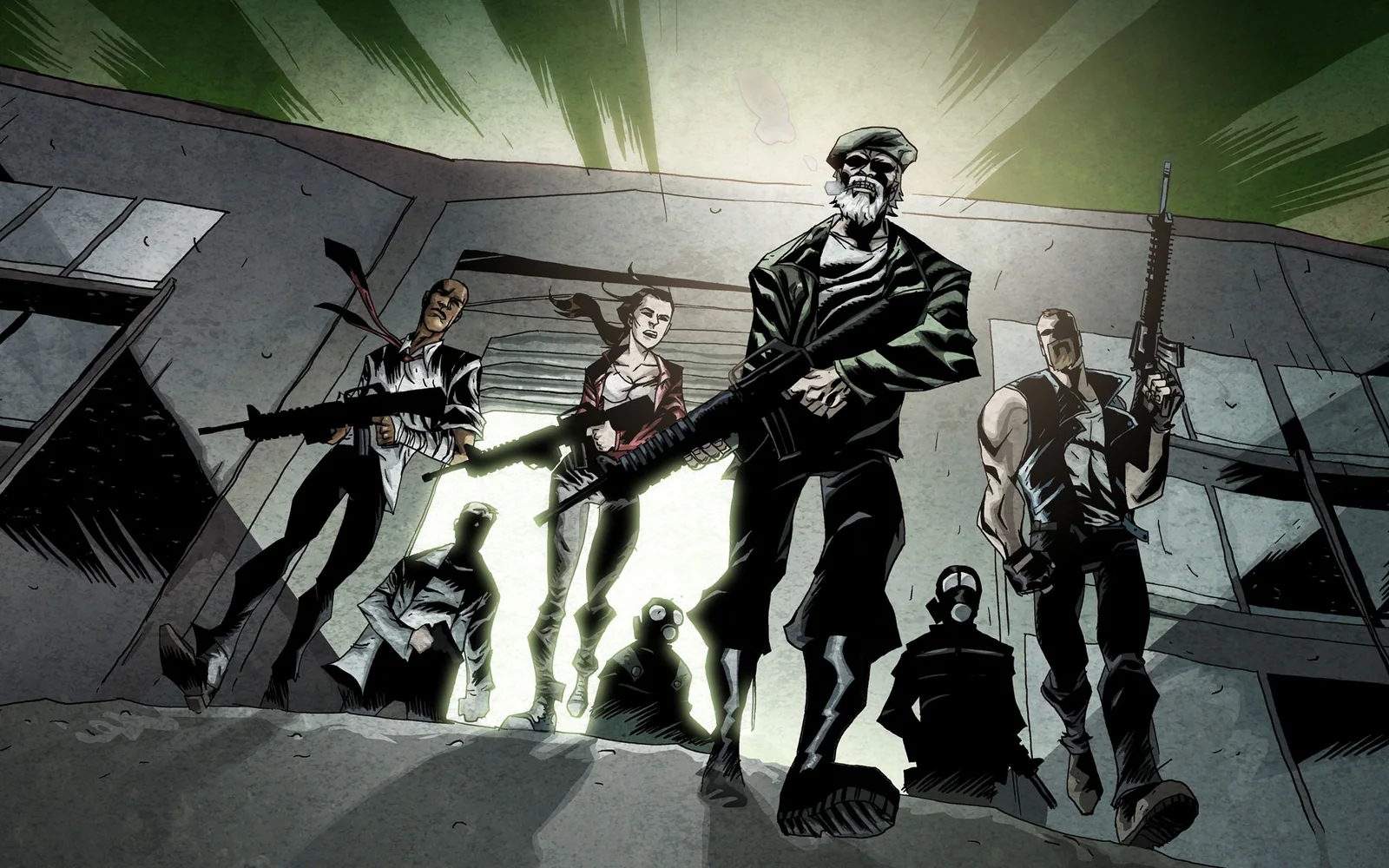
One person has just rounded a corner; another is still picking up supplies. Then Smoker pulls a member away from the group. At that moment, knowing the attacker's name helps in a very practical way: the team understands whom to go back for, where to look and what to avoid.
5 returning faces, 3 new threats
In both L4D1 and L4D2
New in L4D2
- ChargerBreaks up clusters, carries someone away
- SpitterCovers areas, blocks routes
- JockeyClings to a person and changes their direction
L4D2 retains the original five types, with changes to their appearance and some behaviours.
We call them zombies, but the word Infected matters
These are infected people. This article uses the name Infected to avoid assuming they are all reanimated corpses. The sources distinguish altered forms with special abilities from the ordinary crowd; they do not provide a complete explanation for the origins of each mutation.
Appearance helps you recognise a threat in a match. It does not tell you a person's former job, why they became infected or how they lived before. The 'What is confirmed' sections below stay within the sources; counterplay suggestions are this article's guidance unless explicitly attributed to Valve.
Smoker
Pulls someone out of the team
Recognition
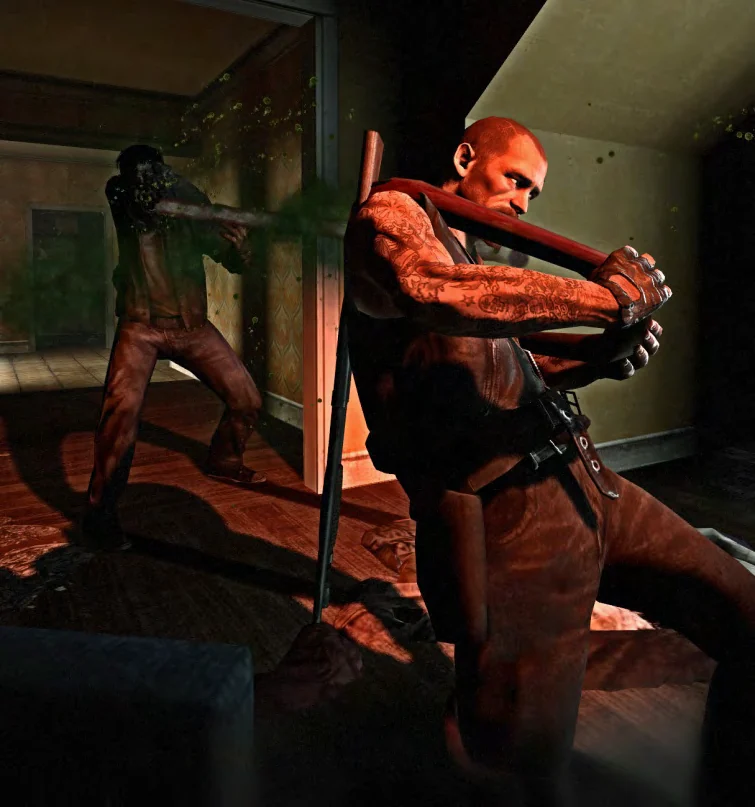
A tall, hunched figure and a long tongue are the visual identifiers. Do not watch only the path at eye level in front of you.
Mechanics in a match
Its tongue binds and pulls a Survivor from a distance, leaving them in need of a teammate's rescue. Blind corners or high rooftops can make the pull hard to spot.
Immediately call out where the captured player is; find a line of fire to the Smoker or its tongue instead of scattering.
What is confirmed / what remains unknown
The sources describe a type of Infected and its tongue-binding ability; they do not provide a shared identity for every Smoker.
The name 'Smoker' is not enough to conclude that the individual smoked before infection.
Design intent in Valve's presentation
Pulls apart a tightly coordinated team, creating a sudden moment of chaos.
Hunter
Pounces and pins its victim
Recognition
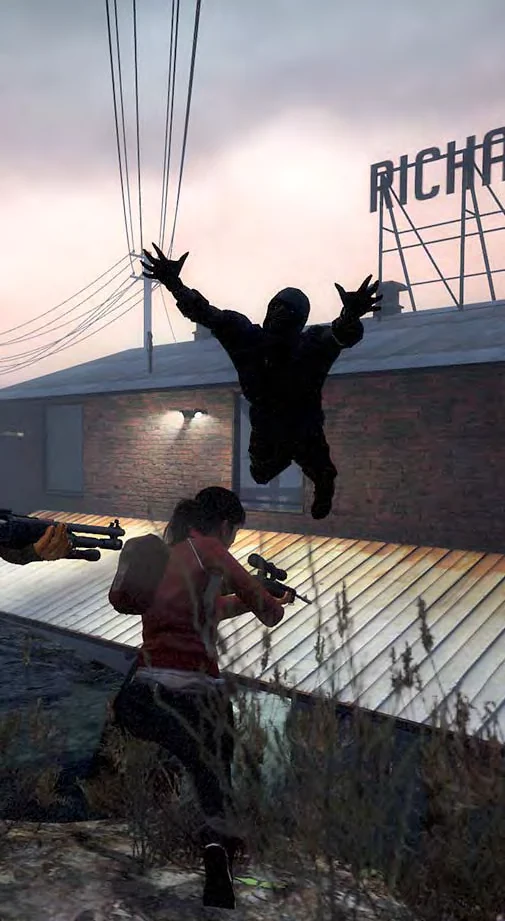
A hooded top and a low, crouched posture. Listen for a screech before the pounce.
Mechanics in a match
Hunter lunges at a Survivor and pins them, continuing to attack until a teammate shoves it away or kills it.
Keep someone close enough to help. When pinned, prioritise calling out your location over blaming your companion.
What is confirmed / what remains unknown
Valve describes Hunter as an infection-mutated form that is faster and more dangerous than Common Infected.
The sources do not confirm individual Hunters' occupations or pasts; a hooded top is not a biography.
Design intent in Valve's presentation
Targets stragglers and lone wolves, leaving them in need of rescue.
Boomer
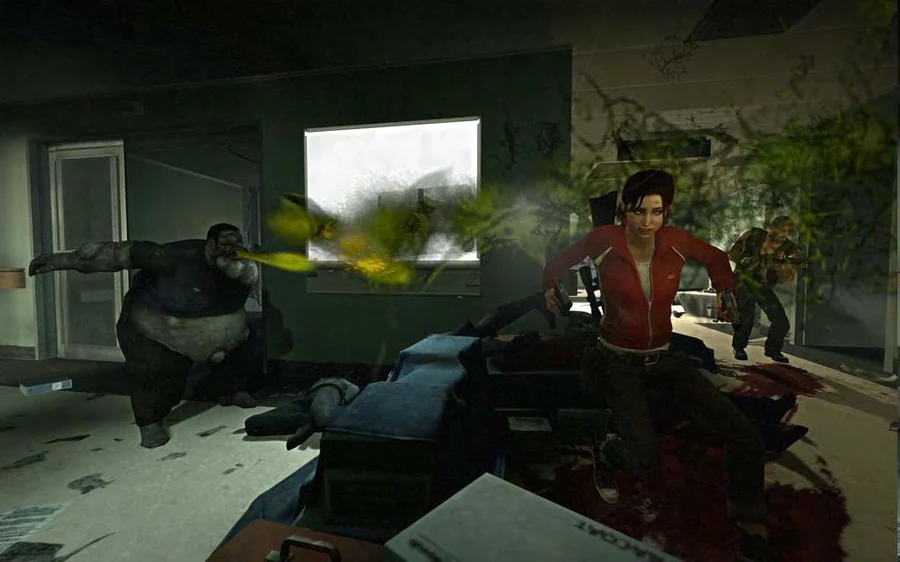
Obscures vision, draws the horde
Recognition
A bloated body and slow movement distinguish it from Hunter's compact, low stance.
Mechanics in a match
Its vomit obscures vision and attracts Common Infected. Boomer explodes on death and can splash bile onto anyone standing close.
Check the distance to teammates before pulling the trigger. An easy target is not always one to shoot immediately.
What is confirmed / what remains unknown
Official sources confirm its physical features and gameplay vomit; they do not tell its pre-infection life story.
The sources read provide no basis for assigning a medical condition or eating habits to every Boomer.
Design intent in Valve's presentation
Makes players think before shooting; the vomit signals that a mob is about to arrive.
Tank
Forces the whole team to move
Recognition
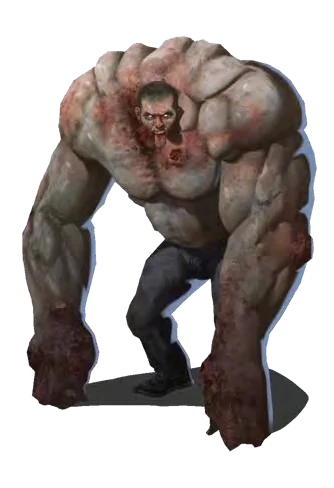
An enormous upper body and arms, with heavy movement. Its bulk stands out among the horde.
Mechanics in a match
Tank uses its strength to knock Survivors away and throw heavy objects. Confined spaces can cut off routes for dodging.
Agree on an open direction to retreat, avoid crowding each other into a corner, and keep watching the team's positions.
What is confirmed / what remains unknown
Valve explicitly describes Tank as mutated through infection. In standard Versus, it is an Infected that a player can control.
Size and strength do not prove that Tank was once an athlete, a soldier or any particular profession.
Design intent in Valve's presentation
Stops forward momentum, draws the whole team's attention and forces them to reassess the terrain.
Witch
A threat you may be able to avoid
Recognition
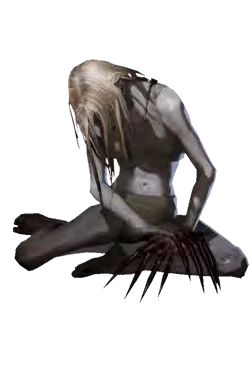
A thin figure with long claws; crying signals that you should look carefully before moving on.
Mechanics in a match
Witch reacts when provoked, for example by light, noise or gunfire hitting her. In standard Versus, Witch is AI-controlled.
Alert the team and look for a way around; do not let a stray bullet turn a quiet place into a chase.
What is confirmed / what remains unknown
L4D2 includes a wandering Witch rather than only a seated one. This is a behavioural variant of Witch, not a ninth type in this list.
Crying does not confirm a love story or a shared 'bride' past for every Witch.
Design intent in Valve's presentation
Encourages stealth and care with weapons and flashlights; crying warns of danger.
Charger
Breaks up clusters, carries someone away
Recognition
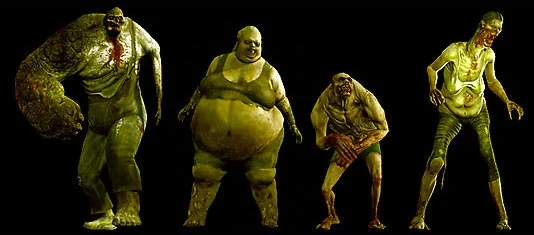
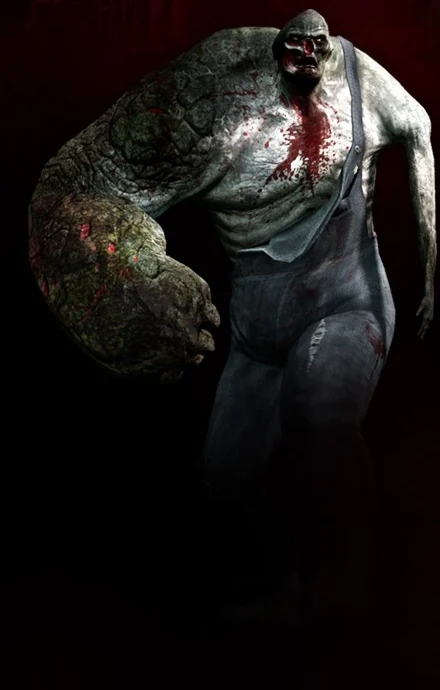
One oversized arm and a distinctly lopsided body; the silhouette alone separates it from Tank.
Mechanics in a match
Charger rushes into the team, knocks aside people in its path, grabs one Survivor, carries them away and pounds them into the ground. Valve describes its role as breaking up tightly grouped teams.
Do not line up in a narrow passage; when someone is carried away, keep a line of sight so you can help.
What is confirmed / what remains unknown
Valve's page confirms the altered body and large arm. It is one of L4D2's three new Special Infected.
The clothing in the image is not enough to claim that all Chargers used to be farmers.
Spitter
Covers areas, blocks routes
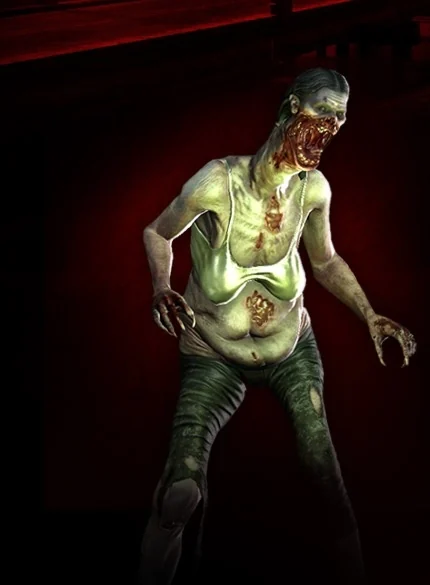
Recognition
Tall and thin, with an elongated neck and distorted mouth. The identification image helps distinguish it from Witch before it attacks.
Mechanics in a match
Spitter spits fluid that forms a corrosive pool on the ground. Standing in it costs health; the pool also forces the group out of shelter or onto another route.
Watch the floor and call out an open exit. Do not stay in the danger zone while focusing on Spitter.
What is confirmed / what remains unknown
Valve confirms the corrosive fluid mechanic and its role in countering groups clustered in enclosed spaces.
The sources do not fully explain the biology behind the fluid or the identities of individual Spitters.
Jockey
Clings to a person and changes their direction
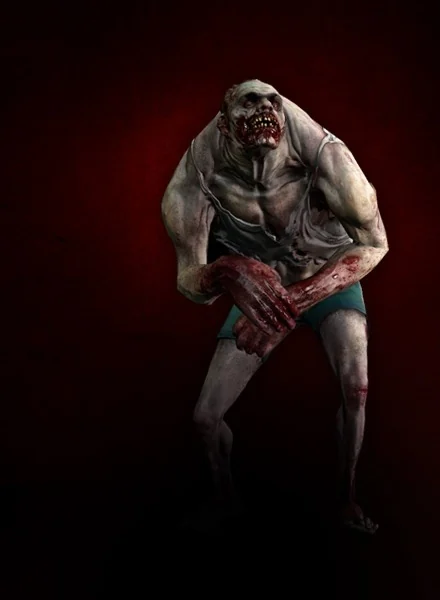
Recognition
Small and hunched, with limbs long relative to its body; jumping and clinging are its defining abilities.
Mechanics in a match
Jockey jumps onto a Survivor and steers them away from teammates, towards danger or behind obstacles. The victim retains only limited directional control.
Valve suggests that teammates shove the Jockey off. Stay close enough to intervene as soon as the ridden player veers off course.
What is confirmed / what remains unknown
The official page describes its build, speed and riding attack; it does not tell the story of one unique Jockey character.
Its posture and sounds are not evidence of a pre-infection illness or occupation.
There are differences within the crowd, too
Common Infected make up most of the horde. Their danger comes from pressure in numbers, especially when someone is isolated. L4D2 also has Uncommon Infected: variants of Common Infected tied to particular settings, not all of which should be classified as Special.
- CEDA: the protective suit resists fire.
- Clown: squeaking shoes attract Common Infected.
- Riot: frontal protection changes which attack direction is effective.
These are three examples, not a complete list of every variant or DLC. Valve's original introduction also mentions Mudmen.
Different opponents, the same question: where are your teammates?
In terms of formation, Smoker pulls someone away; Hunter pins them in place; Boomer makes rescuing each other messier; Tank forces the whole group to move. In the sequel, Charger breaks up tight clusters, Spitter makes a hiding place unsafe, and Jockey redirects someone who is moving.
That is this article's reading of the design, not a statement from Valve. Remembering roles rather than just names can make a short callout more useful: 'Pulled on the left', 'Get out of the pool', or 'Go back for the person behind us'. Witch suggests another option: sometimes getting the whole team past quietly is enough.
More stories behind the call for a teammate
Join Phi on YouTube and Facebook for more gameplay, stories from games and memories of unforgettable co-op sessions.