“Don't shoot the Witch.”
If you have played Left 4 Dead, you probably know what usually follows that sentence. A gunshot, a scream, then the whole team scattering. The guy who just said 'let me handle it' goes down first. The other three curse while trying to rescue him, and somehow we still hit play again.
Mention Left 4 Dead, and memories like that often return before the map names do.
Released in November 2008 on PC and Xbox 360, Left 4 Dead is a first-person shooter with survival horror, centred on four-player cooperation. It began with Counter-Strike-related experiments at Turtle Rock Studios, then was developed together with Valve. From an idea about a group facing a crowd rushing into melee range, they built an entire experience that made teammates something you always had to keep an eye on.
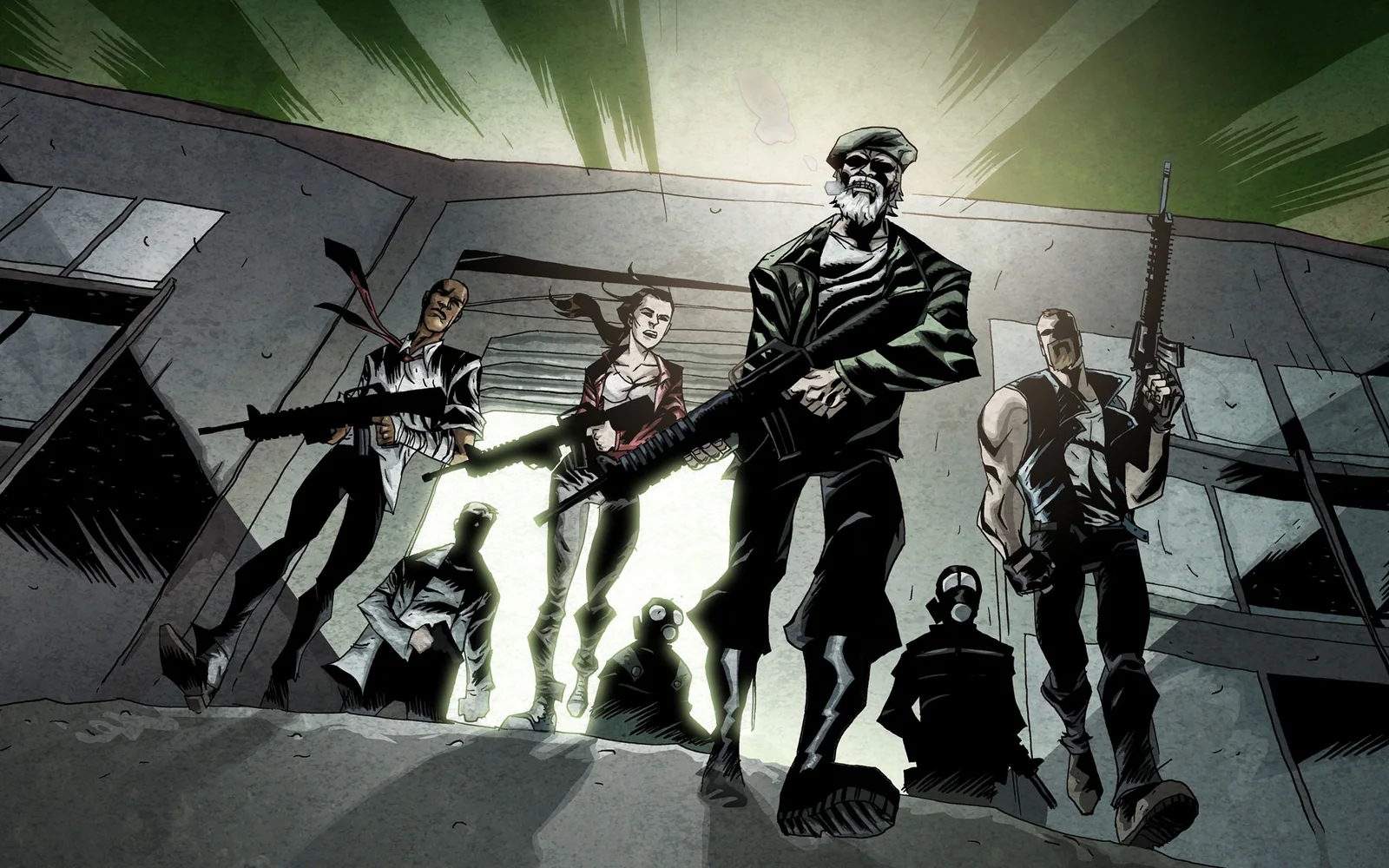
The original four faces are still easy to remember: Bill, the old veteran; Francis, the tattooed biker; Louis, the office worker; and Zoey, the college student who loves horror films. They have their own personalities, but they are not divided into classes with different skill sets. Whoever you choose, you must learn to shoot, stay together and go back to save someone. That simplicity lets a newcomer join the team without memorising a whole page of instructions.
The original journey spans four campaigns: No Mercy, Death Toll, Dead Air and Blood Harvest. Reading the names alone brings back the hospital rooftop waiting for a helicopter, the deserted town, the Infected-filled airport and the cornfield blocking your view. Each campaign has five maps connected by safe rooms. Later, Crash Course added the stretch between No Mercy and Death Toll, while The Sacrifice continued the group's story.
Back then, the sound of the safe-room door closing was such a relief. We could count the ammunition later; first, check that all four of us had made it.
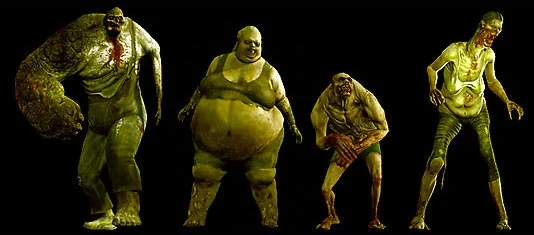
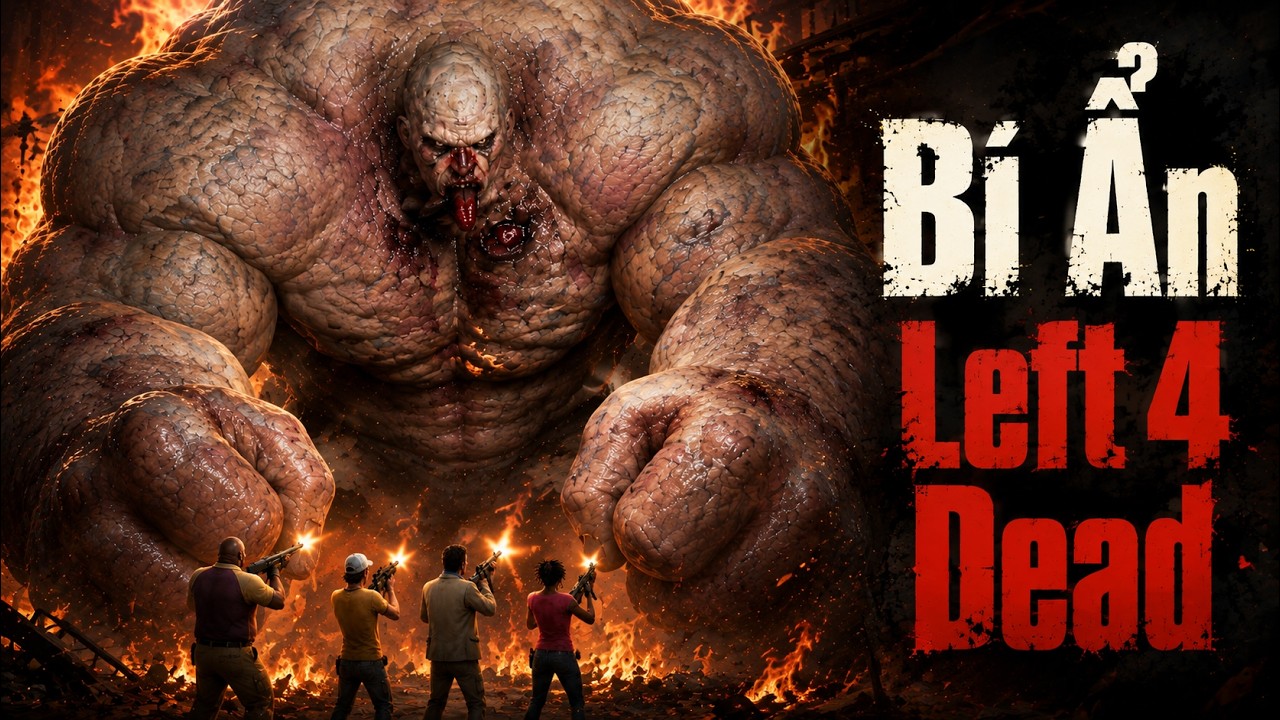
But the game had plenty of ways to make the team miserable before reaching that door. Hunter pinned a straggler. Smoker pulled someone out of formation. Boomer turned a thoughtless trigger pull into a bile shower, followed by the horde. The moment Tank appeared, every plan had to change. And Witch — hearing her cry was enough to make the group lower their voices and watch their flashlights and lines of fire. Each one targeted a player habit and forced the team to cooperate.
Good shooting helps, of course. But someone willing to watch the rear, give up a bottle of pills or use a medkit to save a teammate could also keep the whole run from falling apart. The wonderful thing was how small those actions were: pause a few seconds, turn around, wait for someone falling behind. Play long enough, and you start doing them without anyone reminding you.
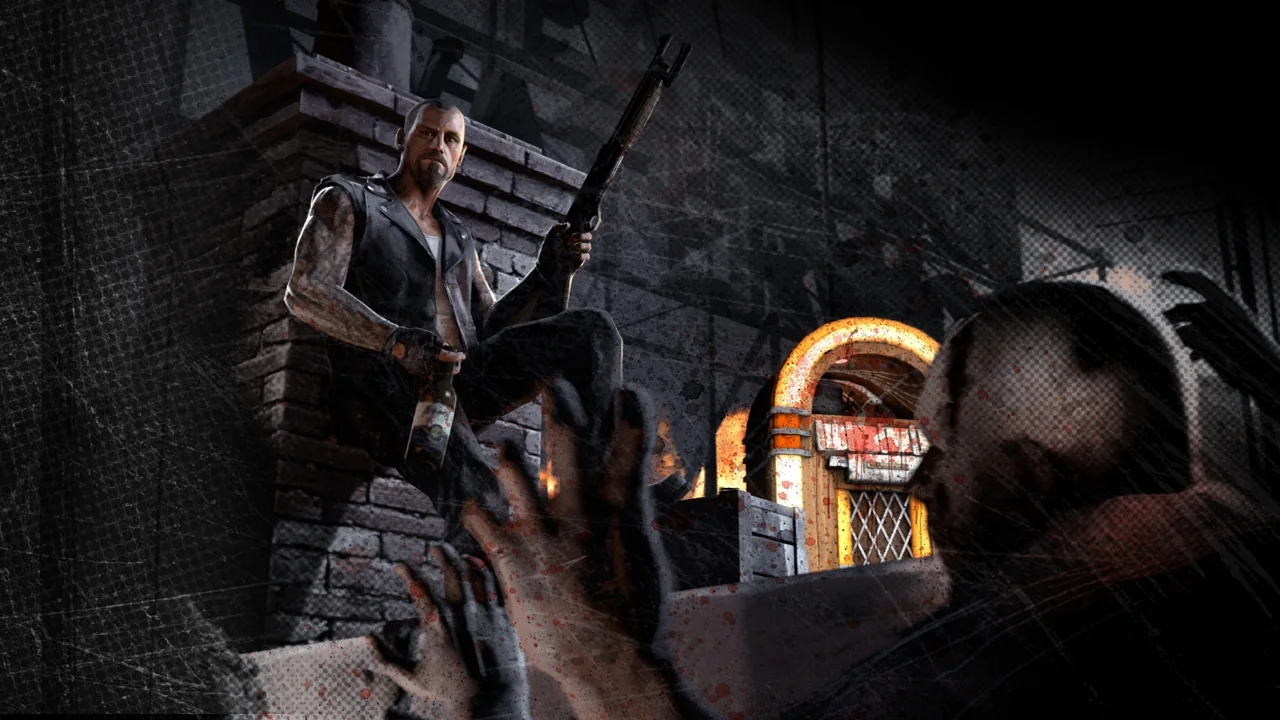
Behind the chaos is the AI Director. It coordinates the distribution of threats and the pace of combat, estimating tension through events such as players taking damage or going down. It creates bursts of pressure interspersed with rests, allowing the same map to produce different situations on each run. Valve's presentation explicitly describes this regulation as pacing. So even knowing the route was not enough to know where the team would get into trouble this time.
Looking back now, even the quiet moments were frightening. The group would be walking through an empty corridor, nobody speaking, when a cough came from somewhere. The person at the front would turn around and count the team.
Alongside Campaign and solo play with bots, the original also had Versus, with two teams taking turns as Survivors and Infected; Survival was added later to test how long the group could last. In Versus, you began to understand what it felt like on the other side: wait for someone to leave the team, time a coordinated attack, then turn a few seconds of carelessness into a wipe.
Left 4 Dead's storytelling fits that pace remarkably well. Abandoned cars, wrecked shelters, messages on walls and conversations between characters suggest a world that has just collapsed. You run through the disaster's aftermath, collecting fragments of story while searching for an escape. The developers have mentioned 28 Days Later as an important influence on the atmosphere and on letting the environment tell the story.
The Sacrifice story spoilers — open when you want to read
In 2009, Left 4 Dead 2 followed with Coach, Nick, Ellis and Rochelle, taking the journey to the American South. Dead Center, Dark Carnival, Swamp Fever, Hard Rain and The Parish belong to this instalment. The arsenal expanded with melee weapons such as axes, chainsaws and frying pans, alongside three new Special Infected: Charger, Spitter and Jockey. The Passing later brought the new group together with the original game's survivors.
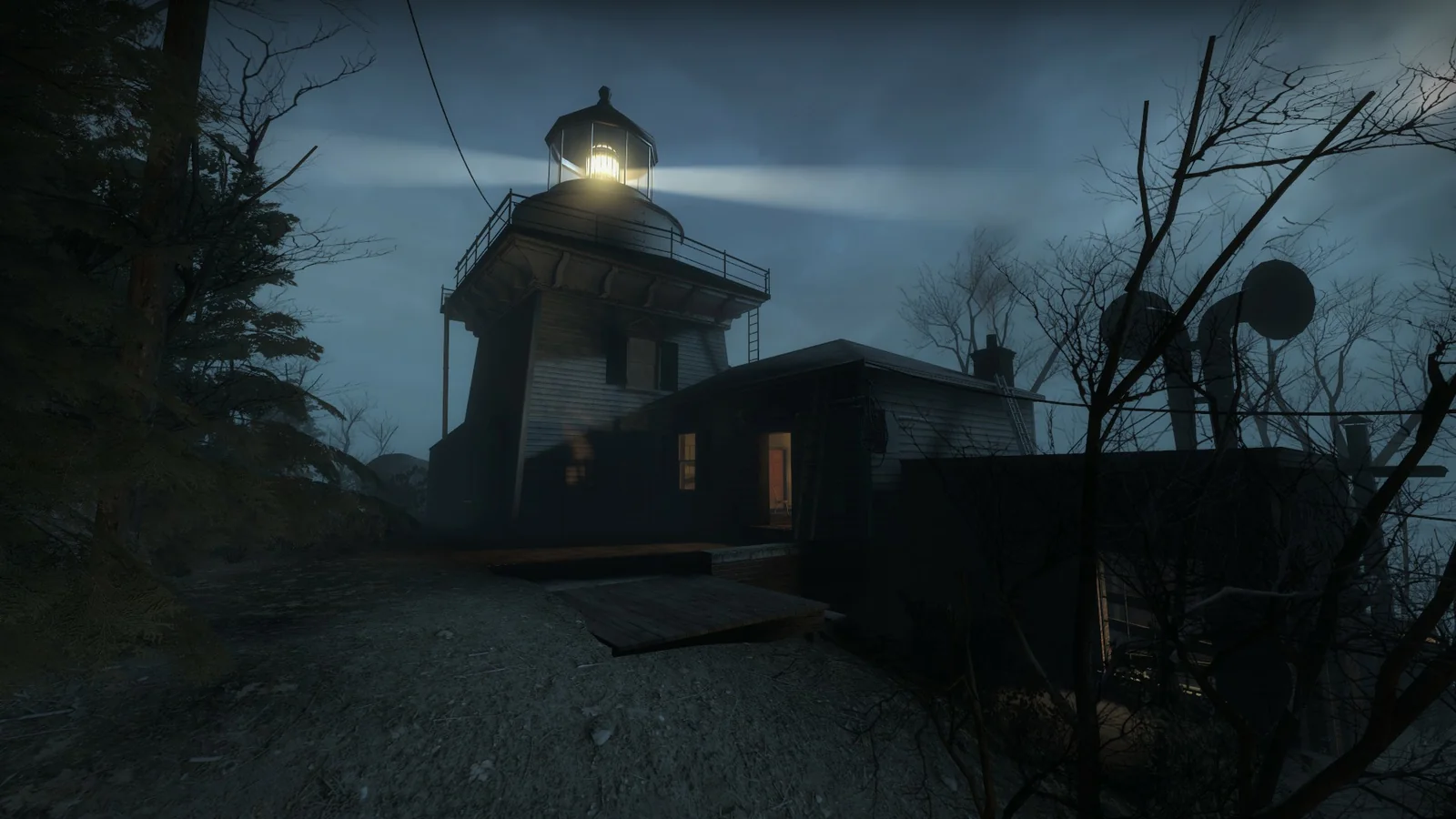
The community also helped keep the series alive through maps and mods. Notably, The Last Stand in 2020 was a community-made update for Left 4 Dead 2, adding a campaign based on the lighthouse area and plenty of other content. An old game still had new reasons for friends to call each other back.
If I were returning today, I would lean towards Left 4 Dead 2 because it now includes all six campaigns from the first Left 4 Dead, alongside its own content and Steam Workshop. But if you want the original 2008 experience exactly as it was, the first game still has its own purchase page on Steam.
Whichever version we launch, I think the moment to look forward to most is still when someone joins the lobby and asks: 'Everyone here? Which map are we playing?'
Then someone runs ahead again. Someone gets distracted picking up supplies. Someone insists on keeping a Molotov 'for later' and still has not thrown it when they go down.
And amid the gunfire and the horde, a familiar call rings out again:
“Wait for me. Don't shut the door.”
The round ends. The stories go on.
Join Phi on YouTube and Facebook for more gameplay, stories from games and memories of playing with friends.